
Automation Tag

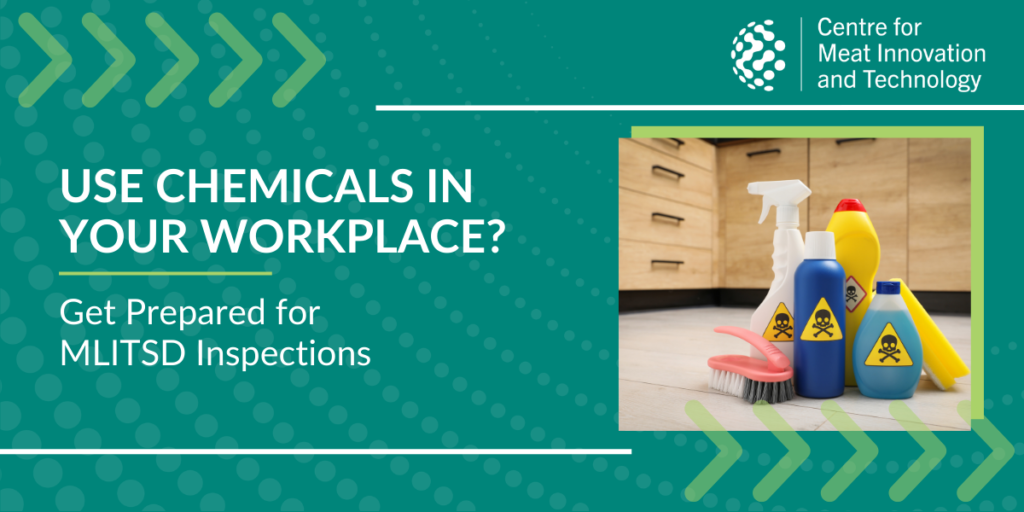
Get Prepared for MLITSD Inspections From Workplace Safety & Prevention Services “If a Ministry of Labour, Immigration, Training and Skills Development (MLITSD) inspector did not visit your workplace last year during the Worker Exposure to Chemical Agents or WHMIS Training campaigns, expect to get a knock on the door this year,” says Tova Larsen, Health and Safety Consultant with Workplace Safety & Prevention Services (WSPS). The MLITSD has extended two occupational hygiene inspection campaigns until March 31, 2026. These inspections focus on worker exposure to hazardous chemicals and compliance with updated Workplace Hazardous Materials Information System (WHMIS) requirements under the amended Hazardous Products Regulations. “These inspections are already underway,” says Tova. Why This Matters for the Meat and Poultry Industry Occupational disease is the leading...

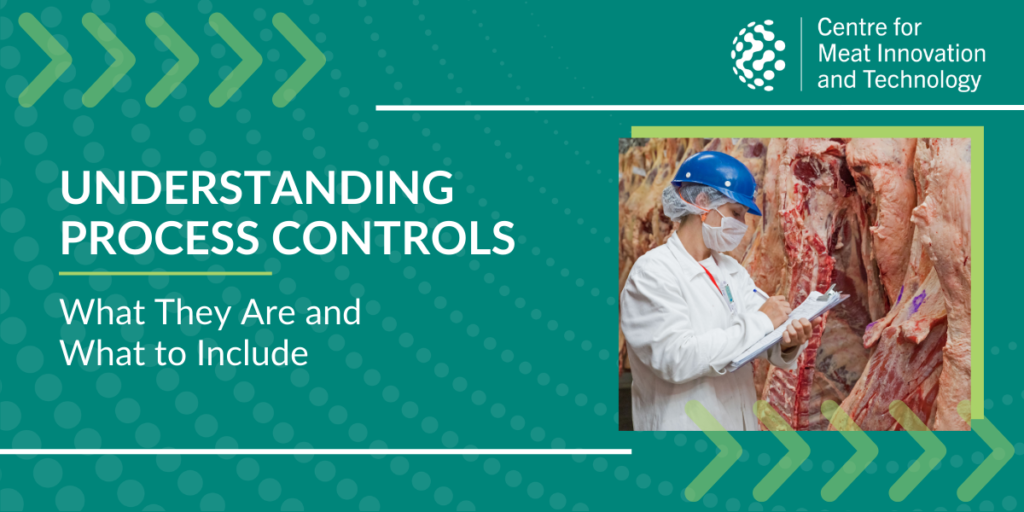
What They Are & What to Include By Daphne Nuys-Hall, Technical Director, Meat & Poultry Ontario Brazil's largest processed meat exporters When you run a meat plant, you already know that consistency, safety, and quality don’t happen by chance. They come from solid systems, and at the heart of those systems are process controls. Under Ontario’s Meat Regulation (O. Reg. 31/05), every provincially licensed meat plant that makes meat products must have process controls in place. These aren’t just forms to satisfy an inspector. They’re the practical, day-to-day guides that help make sure your products turn out the same every time — safe, delicious, and compliant. So, what exactly is a process control? And what should you include when you write or update yours? Let’s...

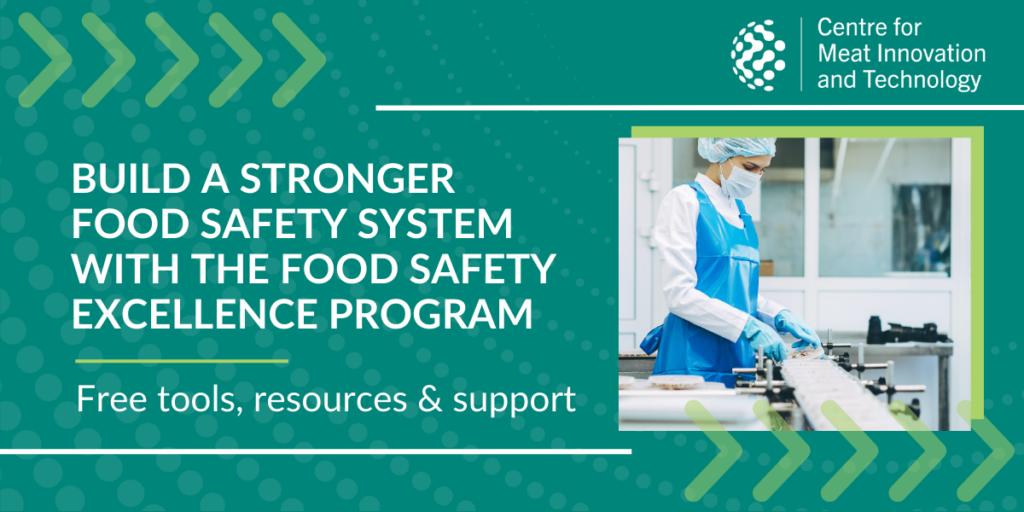
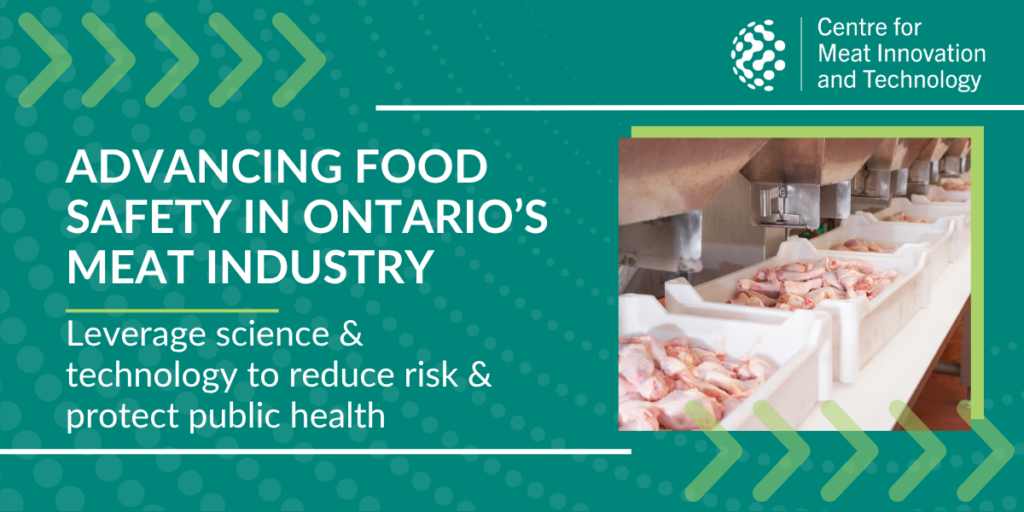
Free tools, resources and support designed to strengthen food safety, compliance and consumer confidence. By The Centre for Meat Innovation & Technology Brazil's largest processed meat exporters In Canada’s meat processing industry, strong food safety systems aren’t just a requirement; they’re a foundation for credibility and consumer trust. The new Food Safety Excellence (FSE) Program, powered by the Centre for Meat Innovation & Technology (CMIT), was created to support meat processors on their path to continuous improvement. The FSE Program offers a free survey tool, along with resources and training opportunities designed to support processors as they strengthen and modernize their food safety systems. WHAT IS THE FSE TOOL?  The FSE Tool is a quick, anonymous online survey designed to help meat processors understand where their...

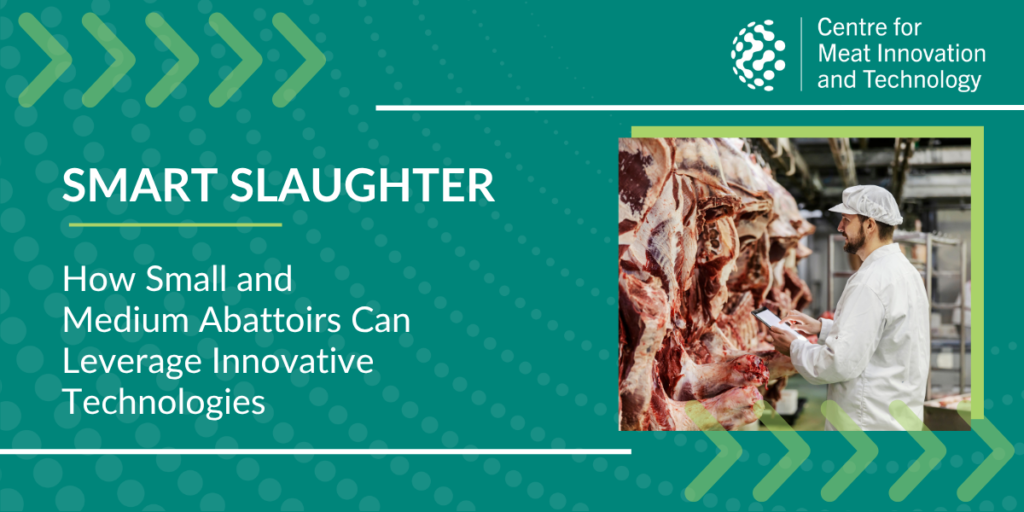
How Small and Medium Abattoirs Can Leverage Innovative Technologies By Daphne Nuys-Hall, Technical Director, Meat & Poultry Ontario The global meat industry is evolving, and small to medium-sized abattoirs are uniquely positioned to benefit from the new wave of technology transforming the sector. While large-scale processors often dominate headlines with high-tech facilities and massive automation budgets, a growing number of affordable, scalable innovations are now within reach for smaller operations. From improving efficiency and hygiene to boosting traceability and sustainability, these technologies offer real-world benefits—without requiring a multi-million-dollar investment. Here’s a look at how small and medium abattoirs around the world are embracing practical innovations to future-proof their businesses. 1. Affordable Automation and Robotics Automation doesn’t have to mean replacing your entire production line with...

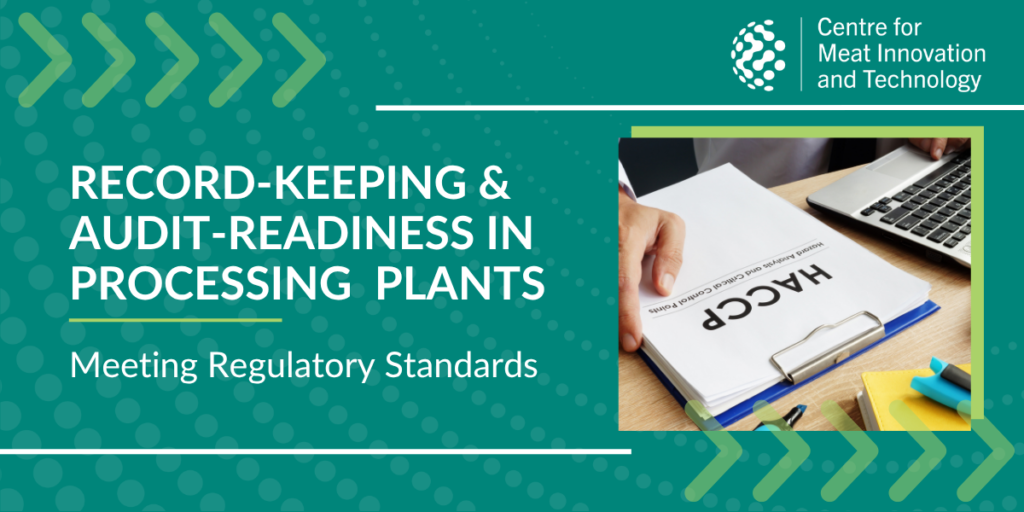
Meeting Regulatory Standards By Baljit Kheeva, Food Safety Specialist, Meat & Poultry Ontario Record-keeping is fundamental to ensure compliance with regulatory standards in food processing plants. Regulatory agencies such as the OMAFA (Ontario Ministry of Food, Agriculture and Agri-Business), CFIA (Canadian Food Inspection Agency) and global bodies like ISO (International Organization for Standardization) and GFSI (Global Food Safety Initiative) require meat processing facilities to maintain comprehensive documentation. This documentation encompasses policies, standard operating procedures (SOPs), hazard analysis, training logs, and corrective actions.  Below are the key aspects of record-keeping which would keep the facilities audit ready year around, meeting all the regulatory standards:   Compliance with Food Safety Regulations  Meat Processing plants must adhere to provincial or federal regulations. These standards mandate detailed documentation of...

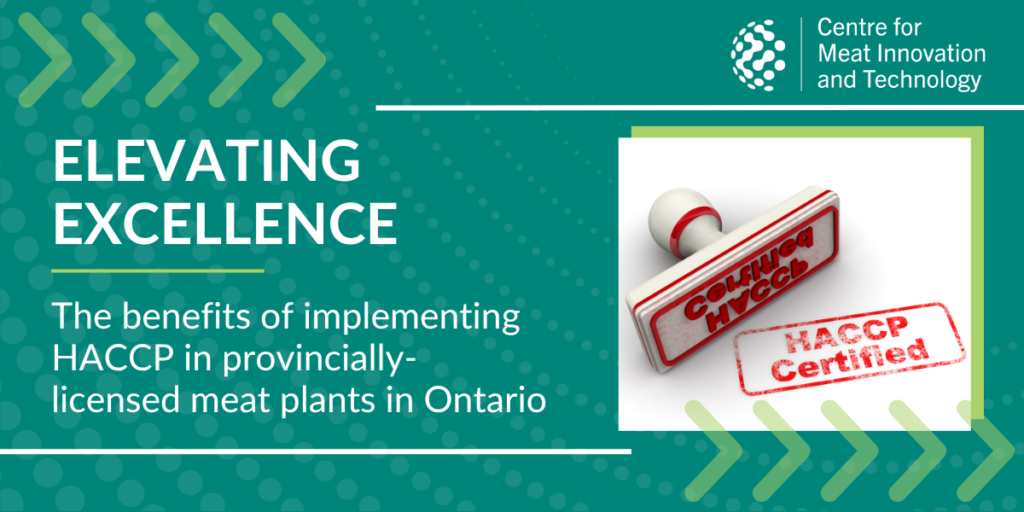
The business benefits of implementing HACCP in provincially licensed meat plants in Ontario By Daphne Nuys-Hall, Technical Director, Meat & Poultry Ontario In the fast-paced world of meat processing, where precision and efficiency are vital, the integration of artificial intelligence (AI) has emerged as a game-changer. From improving production lines to ensuring food safety and quality, AI technologies are revolutionizing the meat processing industry in ways never imagined before.Traditionally, meat processing relied heavily on manual labour and human oversight, leaving room for errors and inefficiencies. With the advent of AI, these challenges are being addressed with solutions that enhance productivity and quality across the entire production chain.One of the key areas where AI is making a significant impact is quality control. Ensuring...

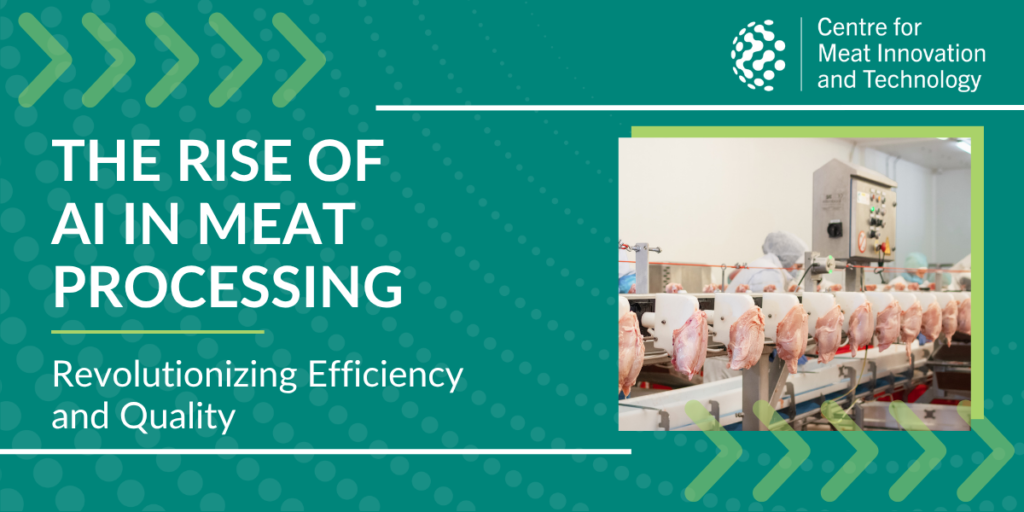
Revolutionizing Efficiency and Quality By Daphne Nuys-Hall, Technical Director, Meat & Poultry Ontario In the fast-paced world of meat processing, where precision and efficiency are vital, the integration of artificial intelligence (AI) has emerged as a game-changer. From improving production lines to ensuring food safety and quality, AI technologies are revolutionizing the meat processing industry in ways never imagined before.Traditionally, meat processing relied heavily on manual labour and human oversight, leaving room for errors and inefficiencies. With the advent of AI, these challenges are being addressed with solutions that enhance productivity and quality across the entire production chain.One of the key areas where AI is making a significant impact is quality control. Ensuring the consistency and safety of meat products is critical...