Innovation & Technology

Why Undeclared Allergens Keep Slipping Through By Baljit Kheeva, Food Safety Systems Specialist, Meat & Poultry Ontario When Canadians read a food label, most expect that the ingredient list tells the whole story. For the nearly three million Canadians living with food allergies, that trust can be a matter of life and death. Still, undeclared allergens remain one of the top causes of food recalls, raising serious questions about how these hidden hazards continue to find their way into grocery carts. In recent months, the Canadian Food Inspection Agency (CFIA) has issued multiple recalls tied to undeclared allergens—shrimp in frozen meals, milk proteins in chocolate, and tree nuts in crackers. Each case underscores the same truth: allergen control continues to be one of...

Best Practices for Managing Listeria monocytogenes in Ready-to-Eat Foods By Daphne Nuys-Hall, Technical Director, Meat & Poultry Ontario Listeria monocytogenes is a harmful bacterium that poses serious health risks, especially when found in ready-to-eat (RTE) meat products. Known for its ability to survive in cold, damp environments, Listeria contamination is a significant concern in the food industry, particularly in meat processing plants. The presence of this bacterium in RTE foods such as deli meats can lead to listeriosis, a severe infection with potentially fatal outcomes, particularly for vulnerable populations like pregnant women, the elderly, and individuals with compromised immune systems. In response to the dangers posed by Listeria, food safety regulations and best practices emphasize the need for meat processing facilities to implement...

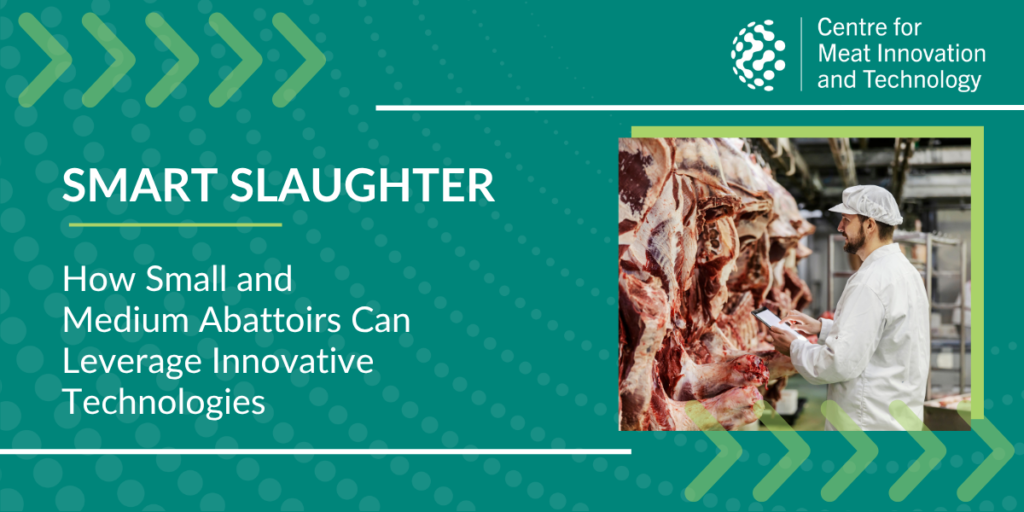
How Small and Medium Abattoirs Can Leverage Innovative Technologies By Daphne Nuys-Hall, Technical Director, Meat & Poultry Ontario The global meat industry is evolving, and small to medium-sized abattoirs are uniquely positioned to benefit from the new wave of technology transforming the sector. While large-scale processors often dominate headlines with high-tech facilities and massive automation budgets, a growing number of affordable, scalable innovations are now within reach for smaller operations. From improving efficiency and hygiene to boosting traceability and sustainability, these technologies offer real-world benefits—without requiring a multi-million-dollar investment. Here’s a look at how small and medium abattoirs around the world are embracing practical innovations to future-proof their businesses. 1. Affordable Automation and Robotics Automation doesn’t have to mean replacing your entire production line with...

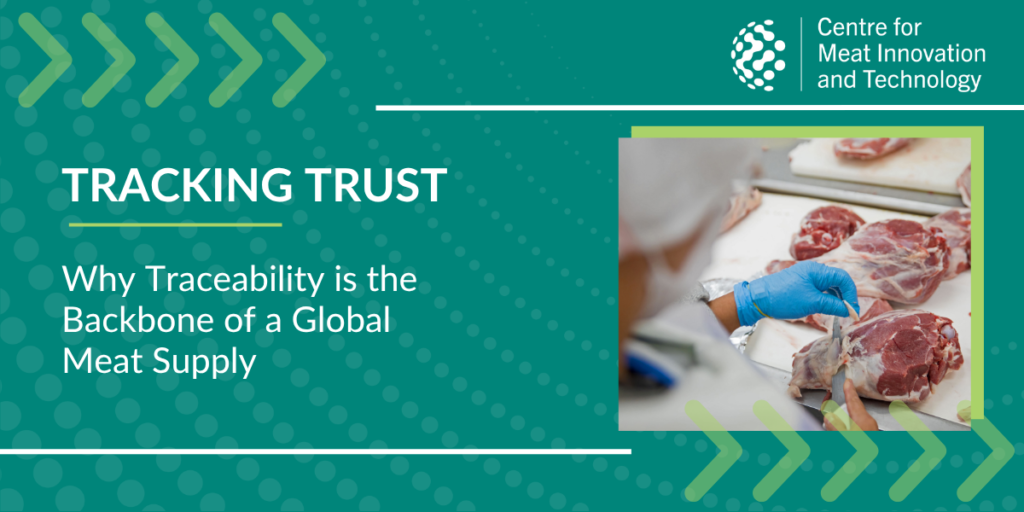
Why Traceability is the Backbone of a Global Meat Supply By Baljit Kheeva, Food Safety Systems Specialist, Meat & Poultry Ontario In an increasingly globalized food system, Traceability serves as the pillar of food safety and quality assurance. With supply chains spanning domestic and international markets, ensuring the ability to track food products from farm to table is essential—not just for consumer safety, but for maintaining trust, enabling swift recall responses, and meeting regulatory requirements. In Canada, robust traceability systems help businesses and regulatory bodies quickly identify and address food safety risks. Under the Safe Food for Canadians Regulations (SFCR), food businesses—including importers, exporters, processors, distributors, and retailers—must maintain records that allow products to be traced one step forward and one step back...

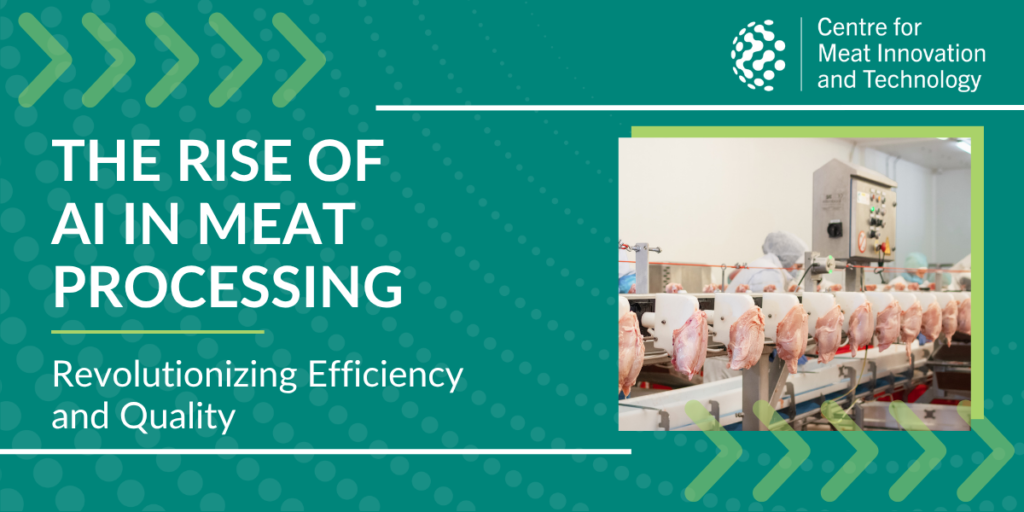
Revolutionizing Efficiency and Quality By Daphne Nuys-Hall, Technical Director, Meat & Poultry Ontario In the fast-paced world of meat processing, where precision and efficiency are vital, the integration of artificial intelligence (AI) has emerged as a game-changer. From improving production lines to ensuring food safety and quality, AI technologies are revolutionizing the meat processing industry in ways never imagined before.Traditionally, meat processing relied heavily on manual labour and human oversight, leaving room for errors and inefficiencies. With the advent of AI, these challenges are being addressed with solutions that enhance productivity and quality across the entire production chain.One of the key areas where AI is making a significant impact is quality control. Ensuring the consistency and safety of meat products is critical...