
Food Safety & Compliance

Why Undeclared Allergens Keep Slipping Through By Baljit Kheeva, Food Safety Systems Specialist, Meat & Poultry Ontario When Canadians read a food label, most expect that the ingredient list tells the whole story. For the nearly three million Canadians living with food allergies, that trust can be a matter of life and death. Still, undeclared allergens remain one of the top causes of food recalls, raising serious questions about how these hidden hazards continue to find their way into grocery carts. In recent months, the Canadian Food Inspection Agency (CFIA) has issued multiple recalls tied to undeclared allergens—shrimp in frozen meals, milk proteins in chocolate, and tree nuts in crackers. Each case underscores the same truth: allergen control continues to be one of...

Best Practices for Managing Listeria monocytogenes in Ready-to-Eat Foods By Daphne Nuys-Hall, Technical Director, Meat & Poultry Ontario Listeria monocytogenes is a harmful bacterium that poses serious health risks, especially when found in ready-to-eat (RTE) meat products. Known for its ability to survive in cold, damp environments, Listeria contamination is a significant concern in the food industry, particularly in meat processing plants. The presence of this bacterium in RTE foods such as deli meats can lead to listeriosis, a severe infection with potentially fatal outcomes, particularly for vulnerable populations like pregnant women, the elderly, and individuals with compromised immune systems. In response to the dangers posed by Listeria, food safety regulations and best practices emphasize the need for meat processing facilities to implement...

By Daphne Nuys-Hall, Technical Director, Meat & Poultry Ontario  Risks always lurk in the supply chain, especially in an environment as complex as the meat processing industry.  Even plants with the best controls are at risk; human error or mechanical breakdowns can happen at any time. How meat processing companies prepare for potential problems, to mitigate the fallout should they happen, can spell the difference between continued consumer confidence and a shuttered business. From independent abattoirs to large-scale processors, every meat operator in Ontario plays a role in maintaining consumer confidence. A well-planned and regularly tested recall system not only protects public health but also supports business continuity and regulatory compliance. Meat products are uniquely susceptible to food safety hazards due to their perishable...

By Baljit Kheeva, Food Safety Systems Specialist, Meat & Poultry Ontario In the food and beverage industry, food safety is a collective responsibility. The heart of this responsibility is the employees who operate along every link of the production chain. When trained effectively, employees become the industry’s first and most powerful line of defence against contamination, risk, and public health threats. From the moment livestock enters a facility to the final packaging of products, employees are positioned to detect early signs of hazards. Whether it’s a temperature irregularity, sanitation lapse, or equipment malfunction, their actions or inaction can determine the safety of the food reaching consumers. It’s no exaggeration: the vigilance and expertise of employees form the backbone of every safe food. And...

Get Prepared for MLITSD Inspections From Workplace Safety & Prevention Services “If a Ministry of Labour, Immigration, Training and Skills Development (MLITSD) inspector did not visit your workplace last year during the Worker Exposure to Chemical Agents or WHMIS Training campaigns, expect to get a knock on the door this year,” says Tova Larsen, Health and Safety Consultant with Workplace Safety & Prevention Services (WSPS). The MLITSD has extended two occupational hygiene inspection campaigns until March 31, 2026. These inspections focus on worker exposure to hazardous chemicals and compliance with updated Workplace Hazardous Materials Information System (WHMIS) requirements under the amended Hazardous Products Regulations. “These inspections are already underway,” says Tova. Why This Matters for the Meat and Poultry Industry Occupational disease is the leading...

What They Are & What to Include By Daphne Nuys-Hall, Technical Director, Meat & Poultry Ontario Brazil's largest processed meat exporters When you run a meat plant, you already know that consistency, safety, and quality don’t happen by chance. They come from solid systems, and at the heart of those systems are process controls. Under Ontario’s Meat Regulation (O. Reg. 31/05), every provincially licensed meat plant that makes meat products must have process controls in place. These aren’t just forms to satisfy an inspector. They’re the practical, day-to-day guides that help make sure your products turn out the same every time — safe, delicious, and compliant. So, what exactly is a process control? And what should you include when you write or update yours? Let’s...

Free tools, resources and support designed to strengthen food safety, compliance and consumer confidence. By The Centre for Meat Innovation & Technology Brazil's largest processed meat exporters In Canada’s meat processing industry, strong food safety systems aren’t just a requirement; they’re a foundation for credibility and consumer trust. The new Food Safety Excellence (FSE) Program, powered by the Centre for Meat Innovation & Technology (CMIT), was created to support meat processors on their path to continuous improvement. The FSE Program offers a free survey tool, along with resources and training opportunities designed to support processors as they strengthen and modernize their food safety systems. WHAT IS THE FSE TOOL?  The FSE Tool is a quick, anonymous online survey designed to help meat processors understand where their...

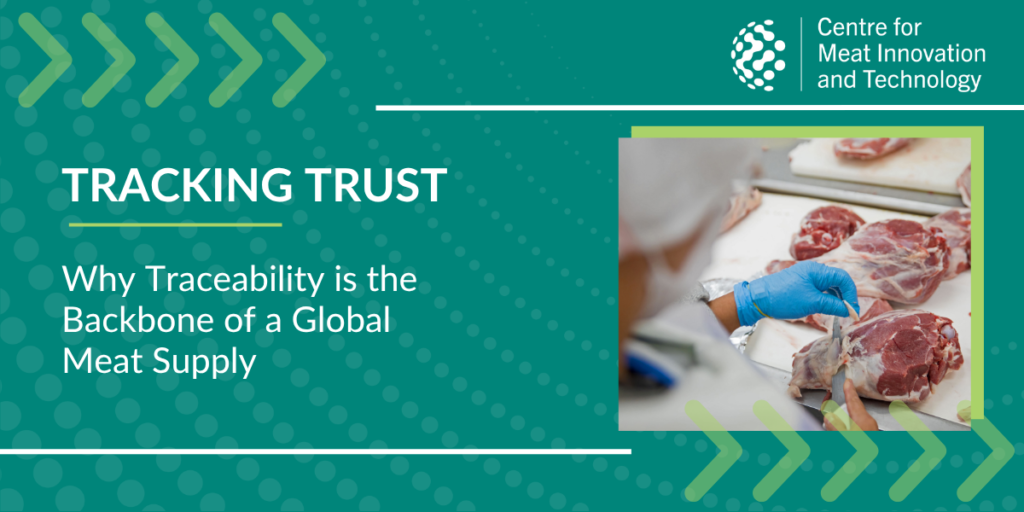
Why Traceability is the Backbone of a Global Meat Supply By Baljit Kheeva, Food Safety Systems Specialist, Meat & Poultry Ontario In an increasingly globalized food system, Traceability serves as the pillar of food safety and quality assurance. With supply chains spanning domestic and international markets, ensuring the ability to track food products from farm to table is essential—not just for consumer safety, but for maintaining trust, enabling swift recall responses, and meeting regulatory requirements. In Canada, robust traceability systems help businesses and regulatory bodies quickly identify and address food safety risks. Under the Safe Food for Canadians Regulations (SFCR), food businesses—including importers, exporters, processors, distributors, and retailers—must maintain records that allow products to be traced one step forward and one step back...

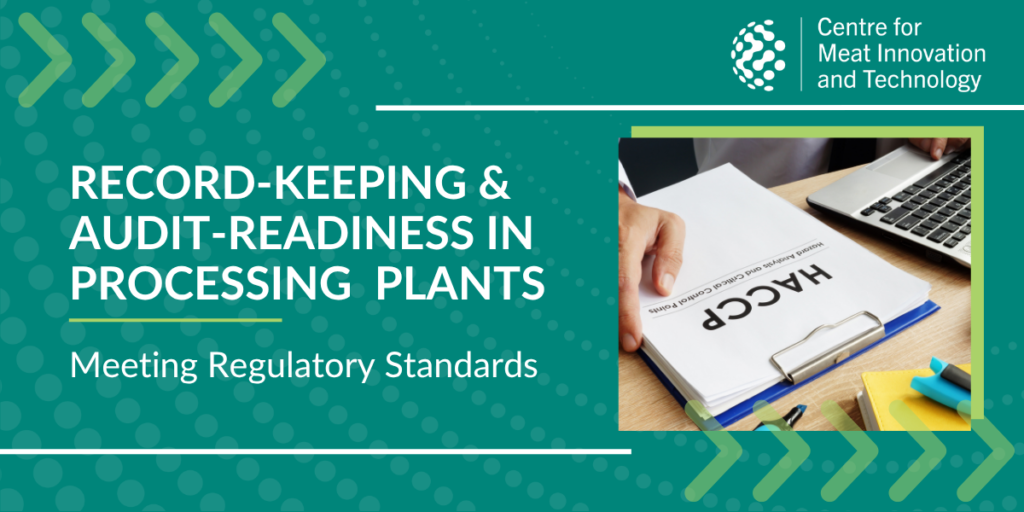
Meeting Regulatory Standards By Baljit Kheeva, Food Safety Specialist, Meat & Poultry Ontario Record-keeping is fundamental to ensure compliance with regulatory standards in food processing plants. Regulatory agencies such as the OMAFA (Ontario Ministry of Food, Agriculture and Agri-Business), CFIA (Canadian Food Inspection Agency) and global bodies like ISO (International Organization for Standardization) and GFSI (Global Food Safety Initiative) require meat processing facilities to maintain comprehensive documentation. This documentation encompasses policies, standard operating procedures (SOPs), hazard analysis, training logs, and corrective actions.  Below are the key aspects of record-keeping which would keep the facilities audit ready year around, meeting all the regulatory standards:   Compliance with Food Safety Regulations  Meat Processing plants must adhere to provincial or federal regulations. These standards mandate detailed documentation of...

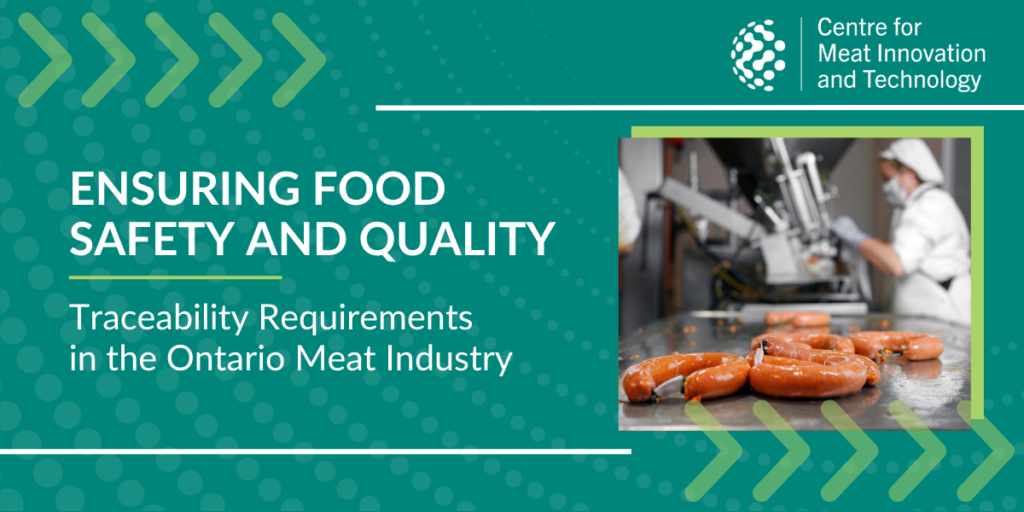
Traceability Requirements in the Ontario Meat Industry By Daphne Nuys-Hall, Technical Director, Meat & Poultry Ontario Traceability is a fundamental component of food safety. In the event of a foodborne illness outbreak or contamination, the ability to trace products back to their source allows for swift identification and removal of affected products from the market. This protects consumers and minimizes the impact on public health. The traceability requirements for meat plants are outlined in the Safe Food for Canadians Regulations (SFCR) and are enforced by the Canadian Food Inspection Agency (CFIA). These requirements apply to a wide range of businesses within the meat industry, including slaughterhouses, processing facilities, and retail establishments, whether they are federally, provincially or municipally inspected.  Food Traceability is divided into...