Understanding Process Controls
What They Are & What to Include
By Daphne Nuys-Hall, Technical Director, Meat & Poultry Ontario
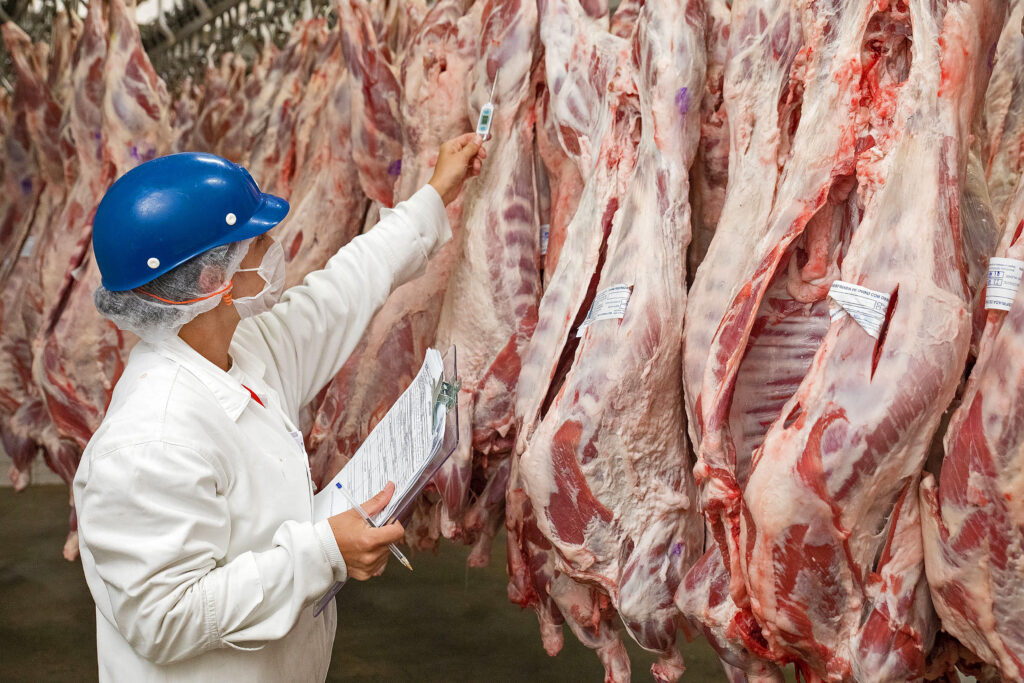
When you run a meat plant, you already know that consistency, safety, and quality don’t happen by chance. They come from solid systems, and at the heart of those systems are process controls.
Under Ontario’s Meat Regulation (O. Reg. 31/05), every provincially licensed meat plant that makes meat products must have process controls in place. These aren’t just forms to satisfy an inspector. They’re the practical, day-to-day guides that help make sure your products turn out the same every time — safe, delicious, and compliant.
So, what exactly is a process control? And what should you include when you write or update yours? Let’s break it down.
What Is a Process Control?
A process control is simply a written description of how you make a product—from start to finish—and how you make sure that every batch meets the right standards for safety and quality.
Think of it as your “recipe with guardrails.” It doesn’t just list ingredients; it lays out the exact steps, time, temperature, and checks that keep your product safe. It tells your team, and any inspector who asks, that you know your process, monitor it, and can prove it works.
A good process control helps you:
• Keep every batch consistent.
• Catch and correct problems before they become costly.
• Show due diligence if you’re ever questioned about a product.
• Train new employees quickly and confidently.
Why Process Controls Matter
Besides being required by O. Reg. 31/05, process controls are your best protection against recalls and rework. They keep everyone on the same page and your products within spec, whether you’re making pepperettes, smoked turkey, or dry-cured bacon.
In short, process controls aren’t red tape, they’re your insurance policy for quality, safety, and peace of mind.
What Should a Process Control Include?
No two products are exactly alike, but most well-written process controls cover the same main pieces. Here’s what to include.
Product Description
Start by describing the product you’re making:
• What is it (e.g., fully cooked sausage, fresh burger, dry-cured ham)?
• What meat is used?
• Is it ready-to-eat or does it need cooking?
• How is it stored — frozen, refrigerated, or shelf-stable?
This helps define the rest of your control. A smoked, shelf-stable snack stick will obviously need different parameters than a fresh ground beef patty.
Step-by-Step Process Flow
List the steps in the order they happen—receiving, grinding, mixing, stuffing, cooking, cooling, packaging, storage—whatever applies to your product.
A simple flow diagram helps your team (and your inspector) see the big picture at a glance.
Critical Steps and Control Limits
Here’s the meat of your process control—the parts that protect food safety. For each key step, identify:
• The target value — for example, an internal cook temperature of 71 °C.
• The acceptable limit — what’s considered “in spec.”
• How you monitor it — thermometer, data logger, pH meter, etc.
• How often you check it — every batch, hourly, continuously.
• Who’s responsible — the operator, supervisor, etc.
If it affects safety, like time/temperature, pH, water activity (Aw), or humidity, it should be written, measured, and recorded.
Hazards and How You Control Them
Every process step has potential risks—bacterial growth, contamination, undercooking, etc. Your document should show how those risks are prevented or reduced.
For example:
• Cooking destroys harmful bacteria.
• Drying and curing lower Aw to control spoilage.
• Metal detection removes physical hazards.
You don’t need to overcomplicate it, just show that you’ve thought about the risks and have a control in place.
Corrective Actions
Things don’t always go perfectly, and that’s okay, as long as you have a plan.
If a batch doesn’t reach the right temperature, or a drying cycle finishes early, your process control should say exactly what happens next. Maybe the product is re-cooked, held for review, or discarded. The important part is that the response is written down and followed.
Verification and Validation
Verification means checking that the process is followed—reviewing logs, signing off on records, or double-checking temperatures.
Validation means proving that your process actually works to make safe food, for example, sending a product to a lab to confirm pH and water-activity targets are met.
These steps don’t need to be complicated or expensive, but they do need to be done and documented.
Record-Keeping
Every time you run production, you should have a batch record that shows:
• The date and lot number.
• The actual times and temperatures reached.
• Who did the monitoring.
• Any issues and what was done about them.
Keep these records for at least one year after the product’s last date of sale (longer if it has a long shelf life).
Making It Work in Your Plant
Process controls don’t need to be fancy. A clear, practical form your team can actually use is far better than a 10-page document that sits in a binder.
Consider keeping a master process-control sheet for each product and daily batch records that operators fill out as they go. Electronic logs can be handy, but paper works just fine too, as long as it’s complete and legible.
Most importantly, make sure your staff understand why process controls matter. When people see how these steps protect both the product and the business, they’re far more likely to take them seriously.
The Bottom Line
A good process control tells the story of your product—how it’s made, why it’s safe, and how you know every batch meets your standards.
Under Ontario’s Meat Regulation 31/05, it’s a legal requirement, but beyond that, it’s just good business.
Clear, simple documentation helps you train staff, maintain consistency, and build trust with both regulators and customers.
Strong process controls don’t just check boxes, they keep your plant running smoothly, your products safe, and your customers coming back.