HACCP Tag

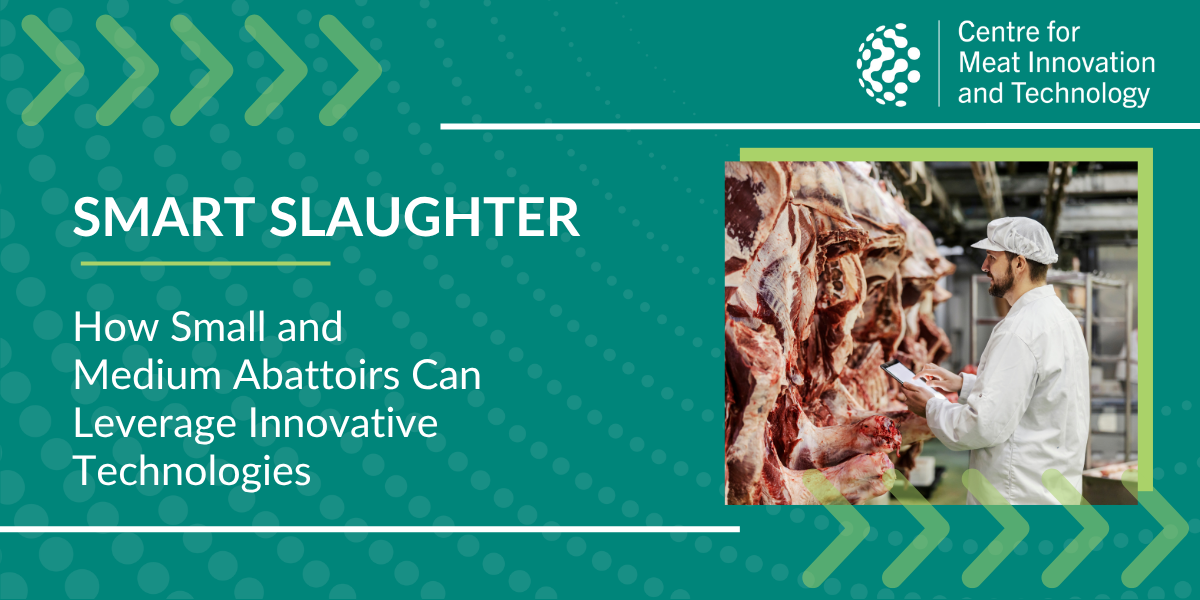
How Small and Medium Abattoirs Can Leverage Innovative Technologies By Daphne Nuys-Hall, Technical Director, Meat & Poultry Ontario The global meat industry is evolving, and small to medium-sized abattoirs are uniquely positioned to benefit from the new wave of technology transforming the sector. While large-scale processors often dominate headlines with high-tech facilities and massive automation budgets, a growing number of affordable, scalable innovations are now within reach for smaller operations. From improving efficiency and hygiene to boosting traceability and sustainability, these technologies offer real-world benefits—without requiring a multi-million-dollar investment. Here’s a look at how small and medium abattoirs around the world are embracing practical innovations to future-proof their businesses. 1. Affordable Automation and Robotics Automation doesn’t have to mean replacing your entire production line with...

Why Traceability is the Backbone of a Global Meat Supply By Baljit Kheeva, Food Safety Systems Specialist, Meat & Poultry Ontario In an increasingly globalized food system, Traceability serves as the pillar of food safety and quality assurance. With supply chains spanning domestic and international markets, ensuring the ability to track food products from farm to table is essential—not just for consumer safety, but for maintaining trust, enabling swift recall responses, and meeting regulatory requirements. In Canada, robust traceability systems help businesses and regulatory bodies quickly identify and address food safety risks. Under the Safe Food for Canadians Regulations (SFCR), food businesses—including importers, exporters, processors, distributors, and retailers—must maintain records that allow products to be traced one step forward and one step back...

Meeting Regulatory Standards By Baljit Kheeva, Food Safety Specialist, Meat & Poultry Ontario Record-keeping is fundamental to ensure compliance with regulatory standards in food processing plants. Regulatory agencies such as the OMAFA (Ontario Ministry of Food, Agriculture and Agri-Business), CFIA (Canadian Food Inspection Agency) and global bodies like ISO (International Organization for Standardization) and GFSI (Global Food Safety Initiative) require meat processing facilities to maintain comprehensive documentation. This documentation encompasses policies, standard operating procedures (SOPs), hazard analysis, training logs, and corrective actions.  Below are the key aspects of record-keeping which would keep the facilities audit ready year around, meeting all the regulatory standards:   Compliance with Food Safety Regulations  Meat Processing plants must adhere to provincial or federal regulations. These standards mandate detailed documentation of...

How to leverage science and technology to reduce risk, improve traceability and protect public health. By Stacey Newman, Editor, BLOCKTALK Magazine In the highly regulated world of meat processing, ensuring food safety is paramount. As meat processors and butchers in Ontario strive to uphold the highest standards, staying abreast of the latest scientific advancements is crucial.  Ontario’s meat industry is important to the province's economy, contributing significantly to both local and national food supplies. According to the Ontario Ministry of Agriculture, Food and Rural Affairs (OMAFRA), the province is home to over 400 federally and provincially licensed meat processing facilities, which collectively process millions of tonnes of meat annually. Ensuring the safety of this vast supply chain is a complex task that requires...

Best Practices for Provincially Licensed Meat Plants in Ontario By Daphne Nuys-Hall, Technical Director, Meat & Poultry Ontario Salmonella is a significant concern in the meat processing industry due to its potential to cause severe foodborne illnesses. In Ontario, provincially licensed meat plants must adhere to stringent regulations and implement effective control measures to ensure the safety of their products. Following are the best practices for controlling Salmonella in meat products, focusing on the requirements and guidelines set by the Ontario Ministry of Agriculture, Food and Agri-Business (OMAFA). Understanding Salmonella Salmonella is a type of bacteria commonly found in the intestines of animals and humans. It can contaminate meat during slaughter and processing, leading to foodborne illnesses if consumed. Symptoms of Salmonella infection include...