

Tracking Trust
Why Traceability is the Backbone of a Global Meat Supply
By Baljit Kheeva, Food Safety Systems Specialist, Meat & Poultry Ontario
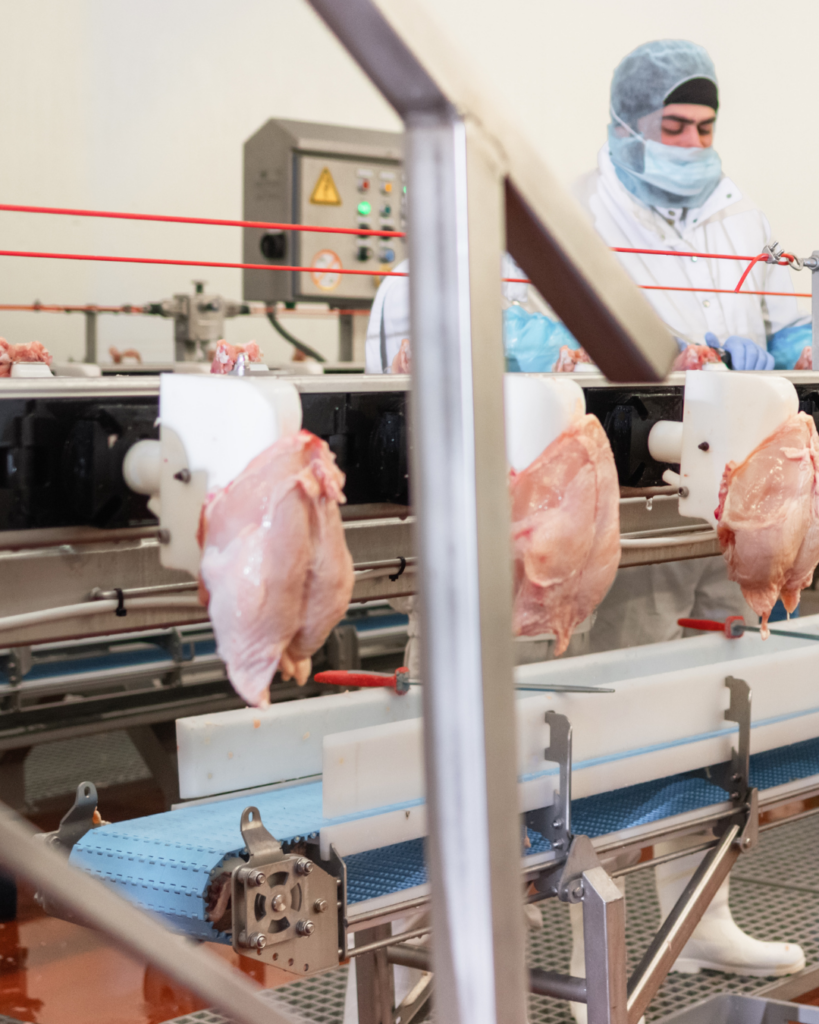
In an increasingly globalized food system, Traceability serves as the pillar of food safety and quality assurance. With supply chains spanning domestic and international markets, ensuring the ability to track food products from farm to table is essential—not just for consumer safety, but for maintaining trust, enabling swift recall responses, and meeting regulatory requirements.
In Canada, robust traceability systems help businesses and regulatory bodies quickly identify and address food safety risks. Under the Safe Food for Canadians Regulations (SFCR), food businesses—including importers, exporters, processors, distributors, and retailers—must maintain records that allow products to be traced one step forward and one step back in the supply chain. This system supports rapid interventions, minimizes public health risks, and strengthens consumer confidence in the integrity of the food industry.
As technology advances, digital tracking solutions are enhancing the efficiency and accuracy of traceability efforts. For Canadian businesses, investing in comprehensive traceability measures is not only a regulatory necessity but also a strategic advantage in building a resilient and trustworthy food network.
What is Food Traceability?
Food traceability refers to the ability to systematically track a food product and its ingredients across all stages of production, processing, and distribution. It involves maintaining precise documentation that links each step in the supply chain—from cultivation and processing to transportation and retail. This process ensures transparency, safety, and regulatory compliance, enabling swift identification of potential risks and facilitating effective response measures in the event of a food safety incident.
Why Traceability Matters in Canada?
Canada imports and exports vast quantities of food. According to the Canadian Food Inspection Agency (CFIA), nearly 70% of the food consumed in Canada includes imported ingredients or components. In such a landscape, traceability is vital for:
Ensuring Food Safety: In the event of contamination—like Listeria or Salmonella—traceability helps isolate the issue quickly, minimizing consumer risk and preventing wider public health impacts.
Facilitating Recalls: Traceable records allow companies and the CFIA to issue targeted recalls, reducing the scope and cost of recalling entire product lines unnecessarily.
Building Consumer Confidence: Canadians are increasingly interested in where their food comes from. Traceability supports consumer demand for transparency and can enhance trust in domestic and imported products.
Export Compliance: Canadian exporters must meet the traceability requirements of international markets, such as the U.S. FDA’s Food Safety Modernization Act (FSMA) and EU food safety regulations.
Traceability Requirements in Canada
The Safe Food for Canadians Regulations (SFCR), which came into effect in 2019, made traceability mandatory for most food businesses in Canada. These regulations require companies to keep records that show the movement of food through the supply chain and to make this information available to the CFIA upon request.
As traceability technology evolves, Canadian businesses can leverage innovative tracking solutions, such as blockchain, RFID, and automated databases, to strengthen their compliance efforts and improve supply chain efficiency. By implementing robust traceability systems, food producers, distributors, and retailers can enhance supply chain transparency, mitigate risks, and ensure compliance with regulatory standards.
As consumer expectations continue to evolve, investing in efficient traceability technologies is not just a regulatory requirement, but a strategic advantage—one that strengthens food safety, brand integrity, and public trust in an increasingly interconnected marketplace.