
Temple Grandin’s Blueprint for Better Meat Processing
Dr. Temple Grandin Shares Insights on Animal Welfare and Processing Efficiency
By Stacey Newman, Editor of BlockTalk Magazine
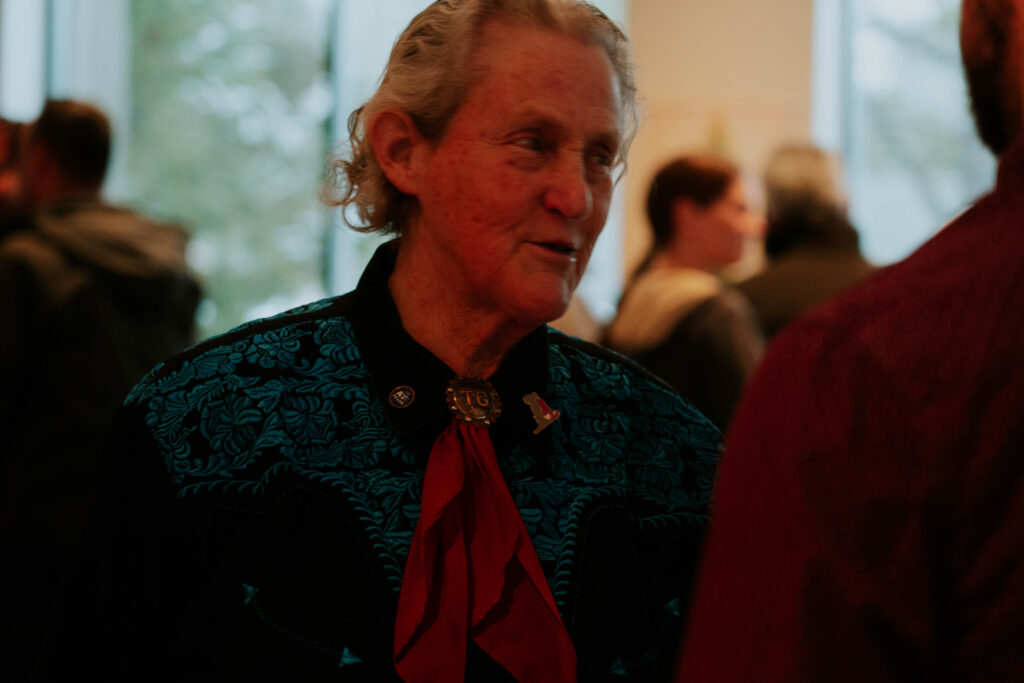
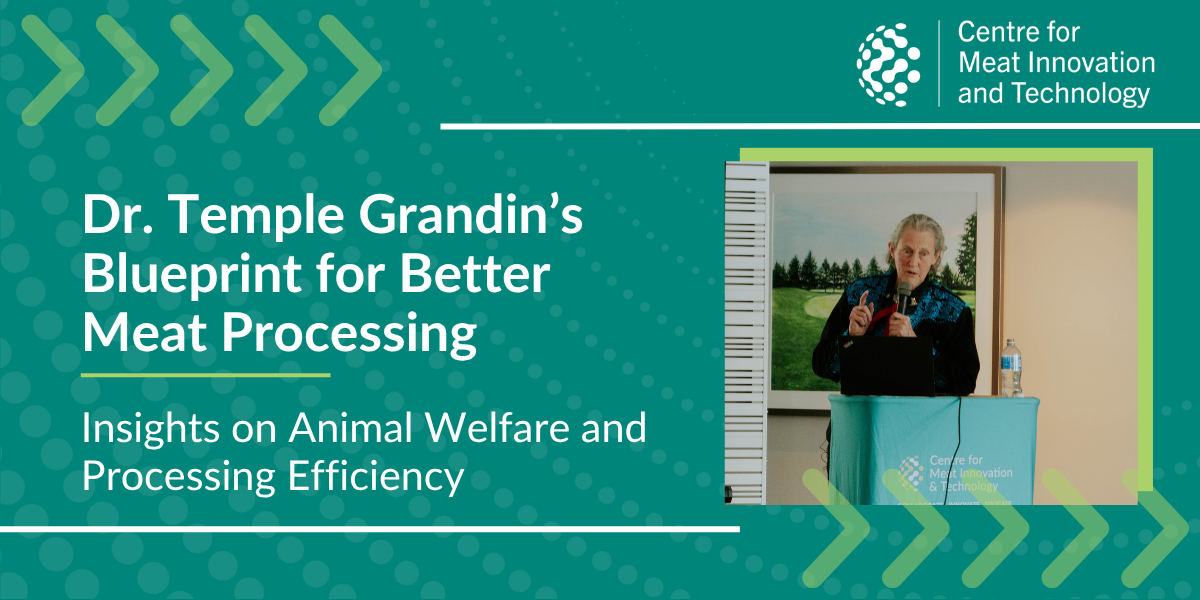
Dr. Temple Grandin, a globally recognized expert in animal behaviour and livestock handling, recently spoke with the Centre for Meat Innovation and Technology (CMIT), hosted by Meat & Poultry Ontario. Her presentation provided key insights on humane handling, facility design, and industry challenges that impact meat processing.
Key Takeaways
Animal Awareness and Stress Management
Grandin addressed a common question: Do animals know they are going to be slaughtered? Her research suggests that while animals react to immediate stressors, they do not comprehend death. Stress levels in cattle at slaughterhouses are comparable to those recorded during routine vaccinations, depending on the quality of handling. She emphasized that minimizing distractions, providing adequate space, and using non-electrified driving aids significantly reduce stress and improve animal movement.
Facility Improvements for Better Handling
Grandin highlighted the importance of facility design in improving animal movement. Common issues such as poor lighting, hanging chains, and reflections on floors can cause hesitation and increase stress. Simple solutions like adjusting lighting, covering gaps, and ensuring non-slip flooring can enhance movement efficiency and lower stress levels. Additionally, proper spacing in lairage areas allows animals to lie down comfortably, reducing stress and aggression before processing.
The Impact of Selective Breeding
Grandin raised concerns about the unintended consequences of breeding for larger ribeyes in beef cattle. This practice has led to increased cases of congestive heart failure, particularly in certain genetic lines, with reports in some regions reaching 20–24 per cent of fed steers. She praised Conestoga’s approach to breeding pigs with strong feet and legs, which improves handling and reduces lameness. She urged the industry to prioritize breeding for structural soundness and overall health rather than solely for muscle mass.
Regulatory Clarity and Worker Training
Grandin criticized vague regulatory wording, particularly in the U.S., where phrases like “minimize excitement and discomfort” lack clear definitions. She advocated for measurable guidelines and proper worker training to ensure humane handling. To demonstrate appropriate handling techniques, she suggested using a simple tool—an old Amazon box—to differentiate between gentle tapping and excessive force. Training programs should emphasize low-stress handling methods, including walking animals calmly through pens and avoiding unnecessary use of electric prods.
Equipment Maintenance for Humane Slaughter
Routine maintenance of stunning equipment is critical to prevent failures that compromise animal welfare. Grandin cited cases where plants neglected captive bolt stunners, leading to ineffective stunning. Common issues include damp cartridges, poor storage, and lack of maintenance. She recommended documented maintenance plans and regular testing of all stunning tools, including backup devices, to ensure efficiency and humane treatment.
The Importance of Objective Auditing
Grandin emphasized that animal welfare audits should be based on measurable outcomes, including:
• Ninety-five per cent success rate for stunning on the first shot
• Electric prod use below 25 per cent
• Vocalization rates under 5 per cent
• Falling incidents under 1 per cent
She warned against excessive reliance on paperwork in audits, advocating for direct observation of animal welfare conditions to prevent declining standards.